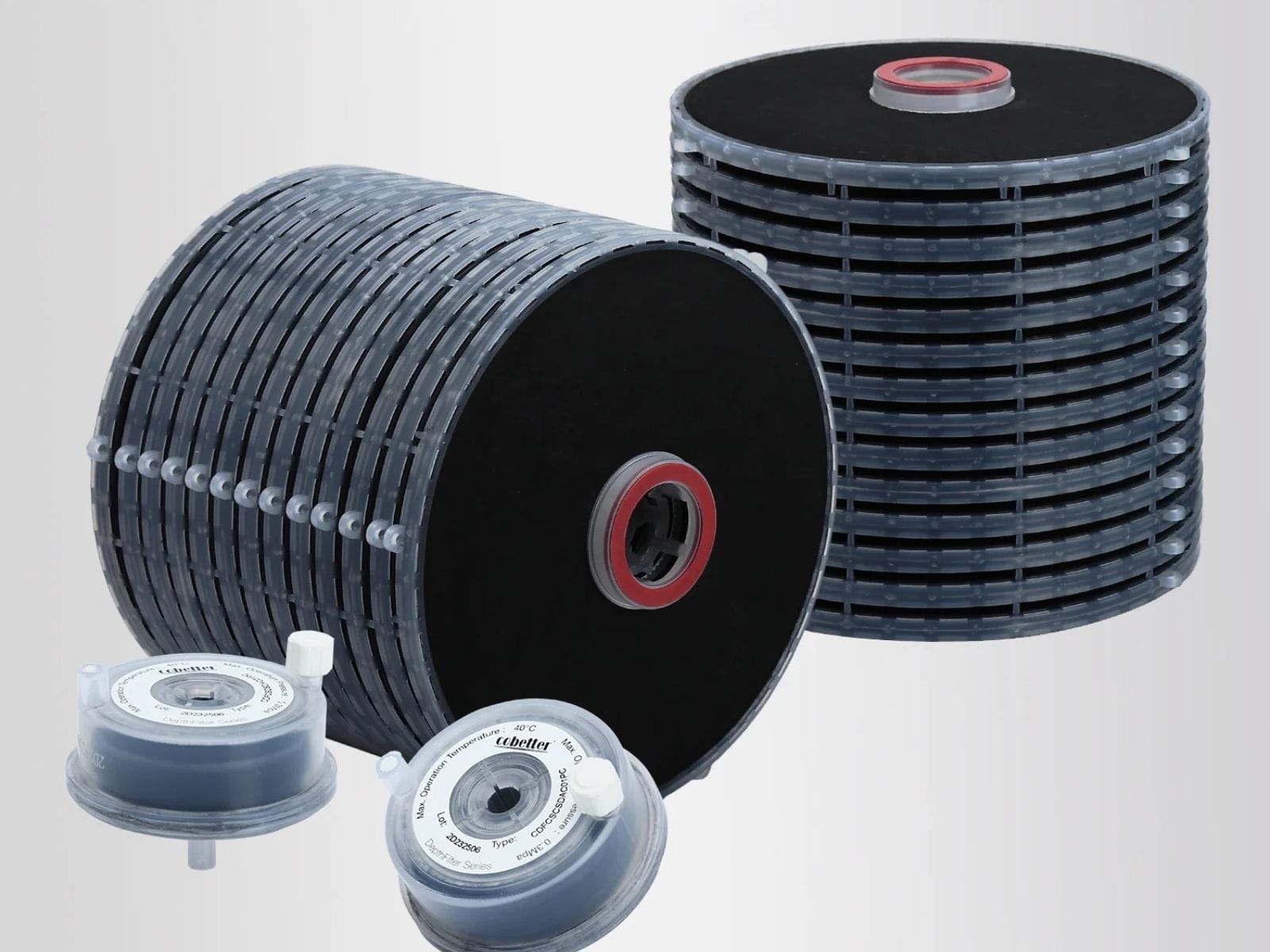
At Copure, we supply advanced filtration solutions to beverage and spirits producers across Australia, supporting consistent product quality, clarity, and sensory performance. One proven solution for spirit deodorisation and polishing is the use of activated carbon lenticular filters such as the Cobetter Roheap CSD series.
Activated carbon lenticular filters such as Cobetter’s Roheap CSD series are depth filtration modules that combine cellulose-based filter media with embedded activated carbon. They are used in beverage and spirits processing to remove off-odours, unwanted congeners, trace colour, and organic impurities while also providing particulate depth filtration. They are well suited to vodka, gin neutral base, and other distilled spirits where product polishing and deodorisation are required.
Install the Roheap CSD lenticular module into a compatible lenticular housing connected to a sanitary pump or pressure-fed system. Ensure all seals are compatible with ethanol service and that the housing is cleaned and sanitised before use. Copure can assist with housing selection and system configuration to ensure compatibility with existing distillery infrastructure.
For best adsorption performance, spirits are commonly adjusted to a moderate alcohol strength (often around 40–50% ABV) prior to carbon filtration. Lower proof improves adsorption of unwanted aromatic and fusel compounds. Product temperature should be stable to maintain consistent filtration behaviour.
Before processing the product, flush and condition the lenticular module according to supplier guidelines. Typical practice includes a water or water/ethanol flush to remove extractables and fines and to fully wet the media before introducing saleable spirit. Proper conditioning ensures stable differential pressure and predictable performance.
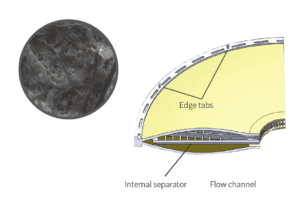
Pump the spirit through the Roheap CSD module at a controlled, low flow rate. The depth structure creates a long flow path, increasing contact time with the activated carbon. During passage through the media, unwanted odour and flavour compounds are adsorbed onto the carbon surface while particulates are captured within the depth layers.
After carbon lenticular filtration, the spirit may be proofed to final bottling strength and passed through a fine mechanical polishing filter (for example 0.5–1 micron) to ensure final clarity and removal of any residual fines.
As a filtration partner to distilleries and beverage manufacturers, Copure provides technical guidance, product selection support, and scalable solutions to optimise spirit deodorisation and polishing processes. For producers seeking consistent sensory quality and operational efficiency, activated carbon lenticular filtration offers a controlled and reliable alternative to traditional carbon dosing methods.
For Further Enquiry Contact- sales@copure.com.au
Share: