In modern laboratories, efficient sample preparation is critical to ensuring accurate analytical results and reproducible research outcomes. Whether working with proteins, nucleic acids, enzymes, or biological samples, laboratories require filtration tools that deliver high recovery, consistency, and speed. For researchers and analysts sourcing a reliable centrifuge filter in Australia, CoPure supplies Cobetter centrifugal filtration solutions engineered for precision laboratory workflows.
Cobetter centrifuge filters combine advanced membrane technology with user-focused design, supporting applications across life sciences, biotechnology, diagnostics, and analytical laboratories.
Centrifuge filters, also known as centrifugal ultrafiltration devices, use centrifugal force to separate molecules based on size through a semi-permeable membrane. They are widely used for:
Compared to precipitation or evaporation methods, centrifuge filtration offers faster processing times, higher recovery rates, and minimal impact on sample integrity.
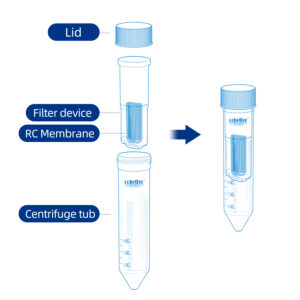
CoPure supplies Cobetter Briscale™ centrifugal filters, designed to deliver high protein recovery, low non-specific binding, and reliable performance across a broad range of laboratory conditions.
The Cobetter Briscale 4 mL centrifugal filter is specifically engineered for efficient concentration and purification of biological samples.
Regenerated cellulose membranes are widely recognised in laboratory filtration for their hydrophilic nature and exceptionally low protein binding. Cobetter’s RC membrane achieves a protein recovery rate greater than 90%, validated using lysozyme (14.4 kDa) at 0.25 mg/mL after 60 minutes of centrifugation.
This makes RC centrifugal filters ideal for valuable or limited samples where yield preservation is critical.
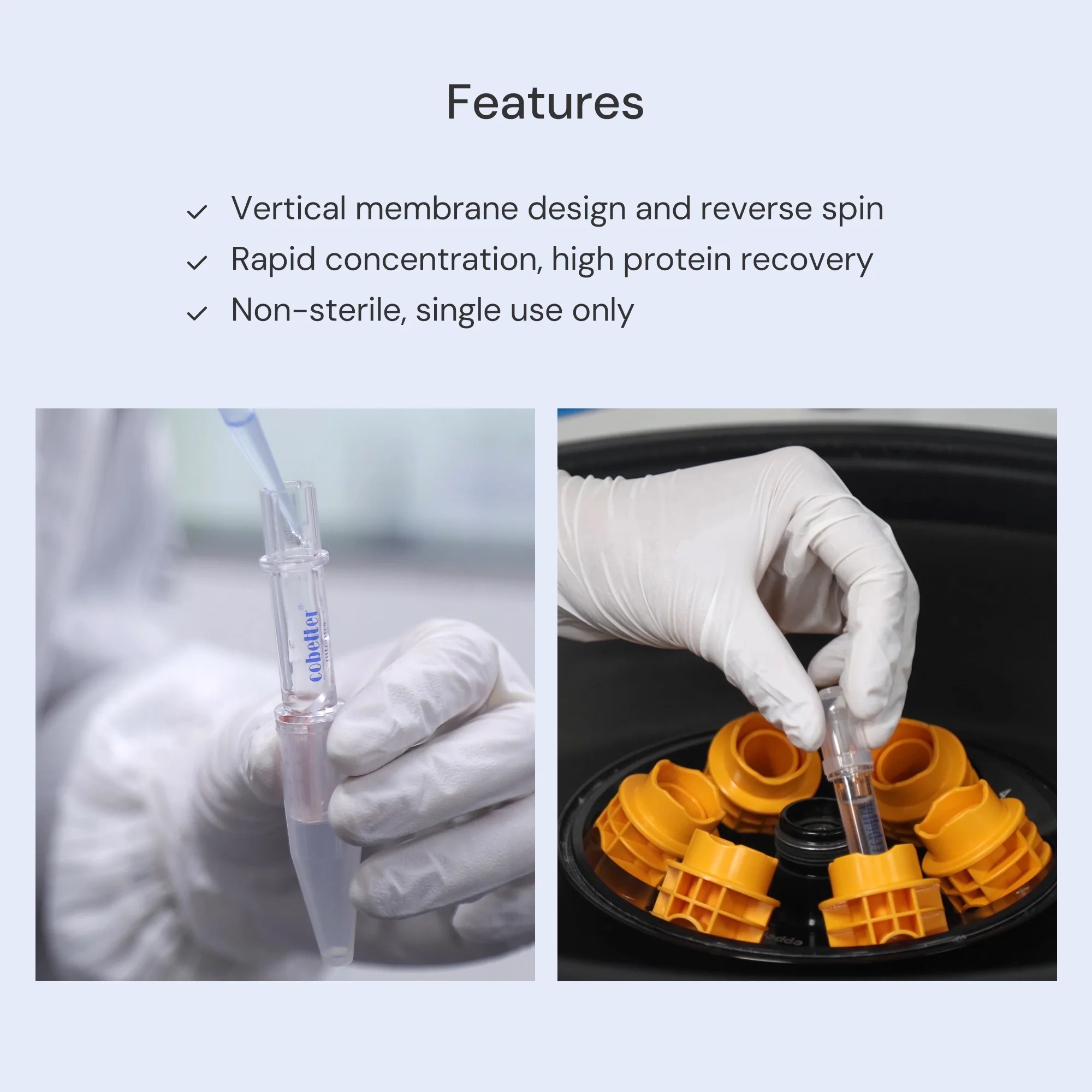
Cobetter Briscale centrifugal filters feature a vertical membrane design that increases effective membrane surface area while reducing concentration time. This configuration enables:
The translucent housing and clear volume graduations allow users to visually monitor sample concentration throughout the centrifugation process.
The device is compatible with rotors that accept standard 15 mL centrifuge tubes, facilitating easy integration with existing laboratory equipment.
Cobetter RC centrifugal filters offer broad chemical compatibility from pH 1 to 14, enabling use across a wide range of buffers and sample types. Delivered non-sterile and individually packed, these filters are intended for single-use laboratory applications. Sterilisation is not recommended to preserve membrane integrity.
These features reduce handling errors and improve day-to-day laboratory productivity.
Cobetter centrifugal filters are widely used in:
Selecting the correct centrifugal filter depends primarily on molecular weight. A common best practice is to choose an ultrafiltration membrane with a molecular weight cut-off (MWCO) that is 2–3 times lower than the target macromolecule’s molecular weight. This ensures efficient retention while allowing smaller contaminants to pass through.
CoPure’s technical team can assist laboratories in selecting the appropriate MWCO and device configuration based on sample type and application.
Laboratories across Australia choose CoPure for:
If you’re sourcing a high-quality centrifuge filter in Australia, CoPure delivers the performance, consistency, and local expertise required for demanding laboratory environments.
For Further Enquiry Contact- sales@copure.com.au
Share: