Biopharmaceutical manufacturing, food processing, and advanced laboratory workflows all depend on one thing: reliable separation technology. As production standards become stricter and process efficiency becomes more important, the demand for high-performance TFF filters in Australia continues to grow.
Tangential Flow Filtration (TFF), also known as crossflow filtration, has become a preferred solution for concentration, purification, buffer exchange, and desalting applications across multiple industries. At the centre of these workflows are ultrafiltration cassettes engineered for high retention efficiency, scalable performance, and process consistency.
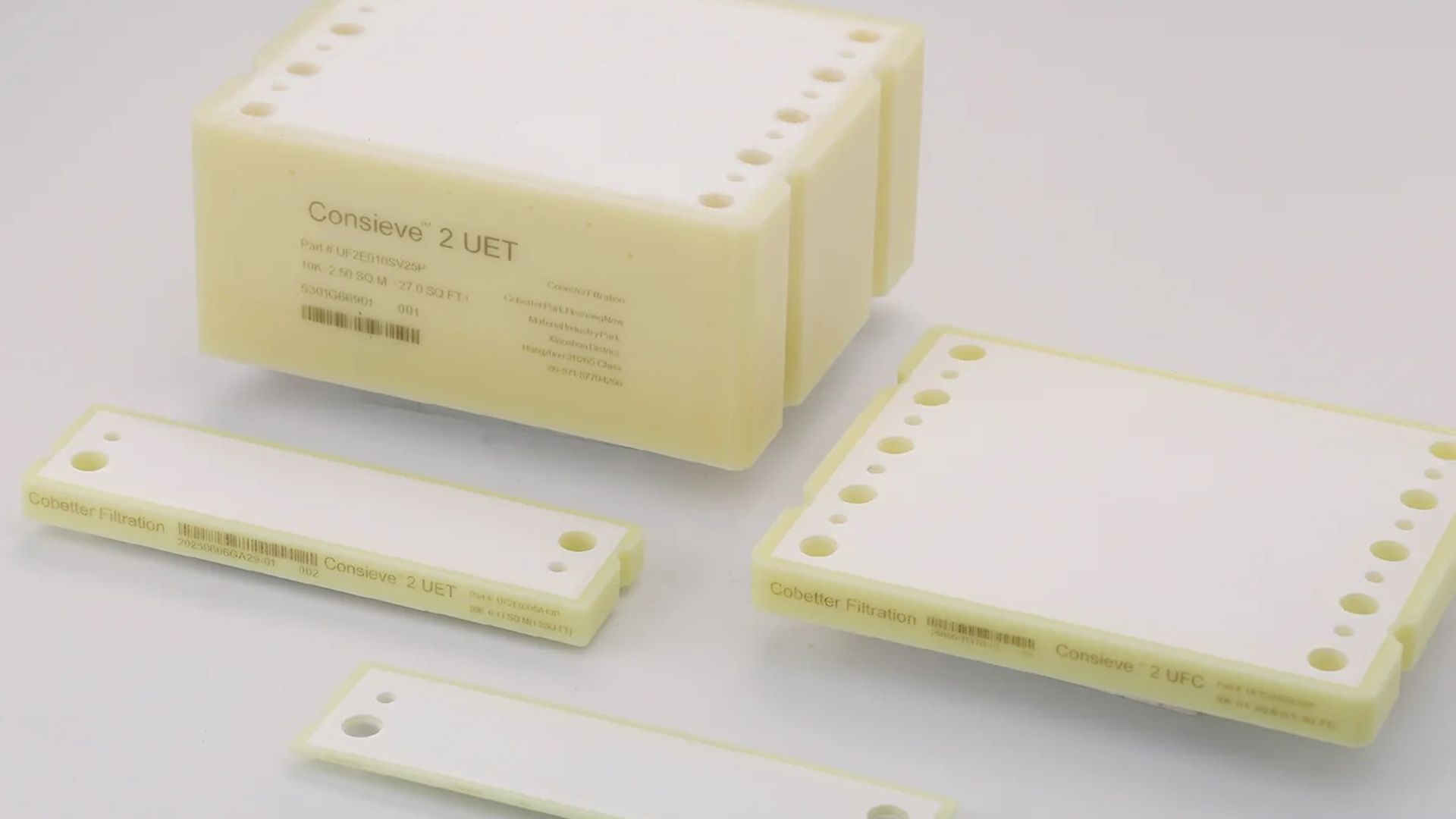
At CoPure, the Consieve™ 2 UET Ultrafiltration Cassettes are designed to support pilot-scale and large-scale process development with dependable membrane performance and robust process economics.
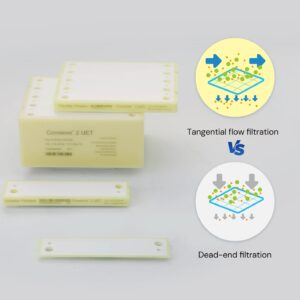
Tangential Flow Filtration differs from conventional dead-end filtration because the feed stream flows parallel to the membrane surface rather than directly into it. This crossflow action reduces membrane fouling, maintains higher flux rates, and enables continuous processing.
TFF systems are widely used for:
Unlike traditional filtration methods that can clog quickly during biomolecule processing, TFF technology maintains filtration efficiency over extended production cycles.
Australia’s biotechnology, pharmaceutical, food science, and life science research sectors are expanding rapidly. Laboratories and manufacturers increasingly require scalable filtration systems that comply with stringent regulatory and quality standards.
This demand has accelerated the adoption of advanced TFF filters in Australia, particularly in applications involving:
Modern facilities require filtration technologies that deliver consistent yields while reducing downtime, extractables, and product loss.
The Consieve™ 2 UET Ultrafiltration Cassette series combines membrane performance, structural durability, and operational flexibility in a reusable TFF platform.
These cassettes use asymmetric modified Polyethersulfone (mPES) membranes engineered for:
The design also enables easy installation, cleaning, and scale-up from pilot studies to manufacturing environments.
| Feature | Details |
|---|---|
| Membrane Technology | Optimised asymmetric mPES membrane structure |
| Key Benefit | Improved throughput with reduced protein adsorption |
| Protein Binding Performance | Low protein binding for enhanced product recovery |
| Application Importance | Critical for biopharmaceutical manufacturing efficiency and cost reduction |
| Separation Flexibility | Supports process optimisation based on molecule size and purification requirements |
| Available MWCO Options | 1 kDa, 3 kDa, 5 kDa, 8 kDa, 10 kDa, 30 kDa, 50 kDa, 100 kDa, 300 kDa, 500 kDa, 1000 kDa |
| Ideal Applications | Protein concentration, biomolecule separation, purification workflows, and biopharmaceutical processing |
One of the key advantages of the Consieve™ 2 platform is its linear scalability.
Many filtration systems perform well at laboratory scale but encounter challenges during production scale-up. Consieve™ 2 cassettes are engineered to maintain predictable process performance from pilot-scale development through commercial manufacturing.
The system supports multiple flow channel configurations, including:
This flexibility allows users to optimise flow dynamics, pressure control, and shear conditions for different applications.
The Consieve™ 2 series incorporates polyurethane resin encapsulation technology that improves structural rigidity and compression resistance.
This enhanced cassette stability helps maintain consistent flow channel geometry under operational pressure, contributing to:
In demanding bioprocessing environments, mechanical reliability is essential for maintaining process control and reducing operational interruptions.
Process contamination remains a major concern in pharmaceutical and biotechnology manufacturing.
Consieve™ 2 UET cassettes are manufactured without glue, helping reduce extractables that could compromise sensitive applications. The system also supports a wide operating pH range of 1–14, making it suitable for aggressive cleaning protocols and diverse process chemistries.
Additional operating specifications include:
Maximum operating pressure: 4 bar
Maximum operating temperature: 50°C
Filtration area: 0.5 m²
These capabilities support both process flexibility and operational efficiency.
Product yield plays a major role in process economics, especially in high-value biologics manufacturing.
The Consieve™ 2 ultrafiltration cassette design supports high product recovery through:
Low hold-up volume
Efficient flow path design
Reduced protein binding
High retention efficiency
For laboratories and manufacturers focused on yield optimisation, these performance factors can significantly improve downstream processing efficiency.
In regulated industries, filtration systems must meet strict manufacturing and compliance standards.
Consieve™ 2 ultrafiltration cassettes are manufactured under an ISO 9001:2015 Quality Management System and in conformance with cGMP requirements.
Additional compliance standards include:
USP <788> Particulate Matter
USP <87> Cytotoxicity
USP <88> Biological Reactivity
FDA Indirect Food Additives 21 CFR 177–182
ADCF material compliance
Each cassette is integrity tested before release, with COA/COQ documentation available. Validation documentation and TSE/BSE certificates are also available upon request.
Selecting the right TFF filtration system depends on several factors:
Molecule size
Product sensitivity
Process scale
Flux requirements
Cleaning conditions
Regulatory expectations
Modern ultrafiltration systems must deliver more than filtration alone. They must support scalability, product consistency, process economics, and regulatory confidence.
The Consieve™ 2 UET Ultrafiltration Cassettes from CoPure are engineered to meet these evolving demands with high-performance membrane technology and scalable process design.
As Australia’s life science and bioprocessing industries continue to advance, reliable TFF filters in Australia will remain essential for efficient and compliant downstream processing workflows.
For Further Enquiry Contact- sales@copure.com
Share: