As the global transition toward clean energy accelerates, hydrogen production technologies are becoming increasingly important across industrial and energy sectors. Australia is positioning itself as a major player in the hydrogen economy, with growing investment in renewable hydrogen infrastructure, electrolyser systems, and sustainable industrial processing.
At the centre of efficient hydrogen generation systems are high-performance membrane technologies that support ion transport, gas separation, and operational stability under demanding conditions.
This growing demand is driving innovation in advanced membrane filters in Australia, particularly composite membranes designed for alkaline water electrolysis (AWE) systems.
At CoPure, Composite Membranes are engineered to deliver high ionic conductivity, low gas permeability, excellent alkali resistance, and stable high-temperature performance for modern hydrogen production applications.
Why Membrane Technology Matters in Hydrogen Production
Hydrogen production through water electrolysis depends heavily on membrane performance.
In alkaline water electrolysis systems, the membrane or diaphragm acts as a separator between hydrogen and oxygen gases while allowing efficient ion transport across the electrochemical cell.
An effective membrane must balance several critical factors:
- High ion conductivity
- Low gas crossover
- Strong chemical resistance
- Mechanical durability
- Thermal stability
- Long operational life
Poor membrane performance can reduce hydrogen purity, increase energy consumption, and compromise overall system efficiency.
As Australia expands investment in green hydrogen projects, demand for reliable membrane filters in Australia continues to rise across industrial electrolyser applications.
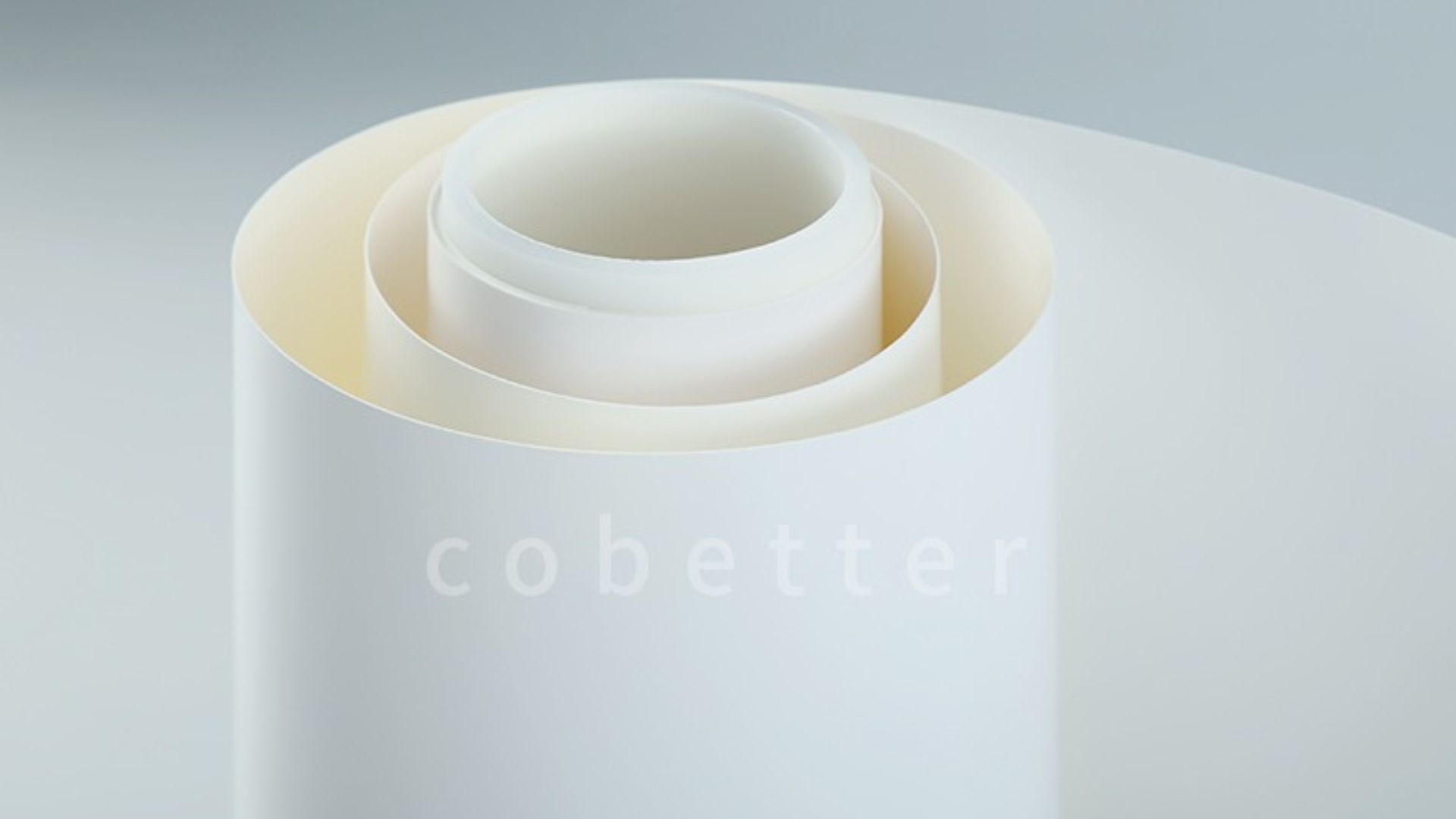
Composite Membranes from CoPure
The Composite Membranes from CoPure are engineered for high-efficiency alkaline water electrolysis environments where operational durability and energy efficiency are essential.
These membranes are designed with a gradient pore structure that helps minimise gas crossover while supporting fast ion transport and stable electrochemical performance.
The membrane platform combines:
- Low gas permeability
- Excellent hydrophilicity
- Strong alkali resistance
- High-temperature stability
- Low ionic resistance
This combination supports efficient hydrogen production while improving operational reliability.
Low Gas Permeability for High Hydrogen Purity
One of the most critical requirements in electrolysis systems is controlling gas crossover between the hydrogen and oxygen chambers.
The CoPure composite membrane uses a gradient pore structure designed to block hydrogen and oxygen mixing during operation.
This enables hydrogen purity levels of up to 99.9%, supporting safer and more efficient hydrogen production.
Low gas permeability also helps:
- Improve product quality
- Reduce contamination risk
- Enhance electrolyser efficiency
- Support stable long-term operation
In commercial hydrogen systems, maintaining high gas purity is essential for downstream storage, transport, and industrial use.
Reducing Energy Consumption Through Efficient Ion Transport
Electrolyser efficiency depends heavily on ionic conductivity inside the membrane structure.
The CoPure composite membrane features excellent hydrophilicity, enabling rapid ion transport across the diaphragm. Faster ion movement helps reduce electrical resistance within the electrolysis cell, lowering energy consumption during operation.
The membrane demonstrates low ionic resistance values under alkaline operating conditions:
- AWE-500S: ≤ 80 mΩ·cm²
- AWE-220: 45 ± 10 mΩ·cm²
Tested in 30% KOH at 90°C, these values highlight the membrane’s ability to support efficient electrochemical performance under demanding industrial conditions.
Lower energy consumption is especially important as hydrogen producers seek to improve the economic viability of large-scale green hydrogen projects.
High Temperature Resistance for Industrial Stability
Electrolysis systems often operate under elevated temperatures to improve reaction kinetics and process efficiency.
The CoPure composite membrane is engineered for continuous high-temperature operation, helping maintain stable performance in industrial environments.
Maximum operating temperatures include:
- AWE-500S: 110°C
- AWE-220: 100°C
High thermal resistance contributes to:
- Improved operational stability
- Reduced membrane degradation
- Longer service life
- Consistent hydrogen production
This makes the membrane suitable for demanding industrial electrolysis systems operating continuously over extended periods.
Strong Resistance to Concentrated Alkali
Alkaline water electrolysis environments expose membranes to highly concentrated caustic solutions.
The CoPure composite membrane uses ultra-strong alkali-resistant materials designed to maintain long-term structural stability in concentrated alkaline conditions.
This chemical durability helps reduce:
- Membrane swelling
- Structural degradation
- Performance loss
- Replacement frequency
Dimensional stability testing demonstrates less than 1.5% dimensional change after water exposure at 100°C for 15 minutes, supporting reliable mechanical performance under thermal stress.
Mechanical Strength and Structural Reliability
Industrial hydrogen systems require membranes capable of maintaining physical integrity under pressure and prolonged operation.
The composite membrane provides tensile strength values of at least 20 MPa under controlled conditions, supporting mechanical durability during demanding electrochemical operation.
Additional physical properties include:
- Porosity: 60 ± 10%
- Bubble point:
- AWE-500S: ≥ 0.2 MPa
- AWE-220: ≥ 0.3 MPa
The membrane also demonstrates controlled gas permeability performance under 5 bar differential pressure conditions.
These characteristics support efficient electrolyte circulation and stable electrolysis performance.
Supporting Australia’s Hydrogen Economy
Australia is rapidly expanding renewable hydrogen initiatives across industrial manufacturing, transport, energy storage, and export infrastructure.
As hydrogen production capacity grows, advanced membrane technologies will play a critical role in improving electrolyser efficiency, reducing operational costs, and supporting long-term system reliability.
Modern membrane filters in Australia are increasingly expected to deliver:
- Higher hydrogen purity
- Lower energy consumption
- Better chemical durability
- Stable high-temperature performance
- Long operational life
The Composite Membranes from CoPure are engineered to support these evolving requirements through advanced materials and optimised electrochemical performance.
As industries continue transitioning toward cleaner energy systems, high-performance membrane technologies will remain essential for scalable and efficient hydrogen production.
For Further Enquiry Contact- sales@copure.com