Membrane filtration has become an essential technology across Australia’s food processing, beverage production, pharmaceutical, biotechnology, and research sectors. Whether ensuring microbial safety in laboratory workflows or improving clarification in food and beverage production, selecting the right filtration media directly affects product quality, process efficiency, and regulatory compliance.
To understand membrane filtration, it helps to distinguish between depth filtration and membrane filtration.
Membrane filters act as a surface barrier with precisely controlled pore sizes. As liquid passes through the membrane, particles, microorganisms, and suspended solids larger than the pore size are retained on the surface.
Common membrane pore sizes include:
While membrane filters provide excellent retention, they can clog quickly when processing turbid liquids containing high concentrations of suspended solids.
This is why many industrial processes first use depth filtration to remove larger contaminants before final membrane filtration.
Unlike membrane filters, depth filters capture contaminants throughout a three-dimensional fibrous matrix rather than only on the surface.
This design offers several advantages:
For manufacturers processing complex biological or food products, depth filtration protects downstream membrane filters while improving overall process efficiency.
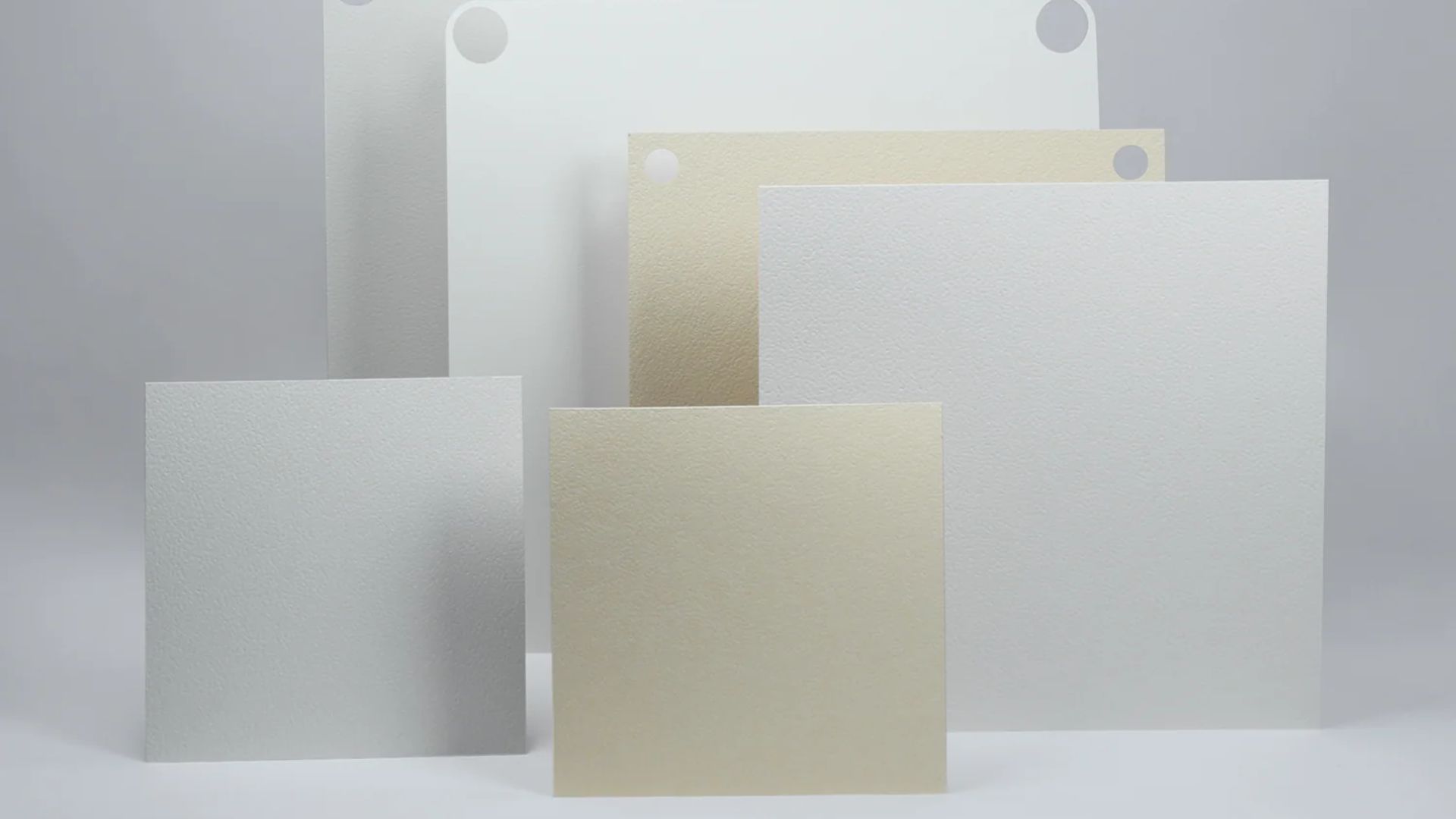
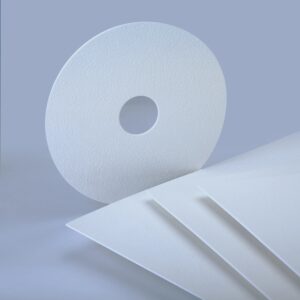
CoPure’s Roheap CSD CE Depth Filter Sheets are designed for high-purity clarification where low extractables and excellent product compatibility are essential.
Manufactured from high-purity cellulose and resin, the CE filter sheets are validated for:
Unlike conventional filter sheets containing filter aids, the CE series is manufactured without inorganic filter aids, making it particularly suitable for sensitive pharmaceutical and biological applications.
High-purity filtration is critical during:
The low endotoxin profile and USP biological compatibility make Roheap CSD CE sheets well suited for regulated manufacturing environments.
Growing demand for premium food quality has increased the adoption of membrane filtration systems for food processing in Australia.
Depth filter sheets are commonly used for:
By reducing particulate loads, processors improve filtration efficiency while maintaining product consistency.
Many wineries combine depth filtration with membrane filtration to achieve brilliant clarity before bottling.
For businesses seeking a reliable wine membrane filters supplier in Australia, selecting high-quality pre-filtration media is equally important because effective clarification reduces membrane fouling and extends cartridge service life.
Laboratories routinely use membrane filters with different pore sizes depending on the application.
Common types include:
In many microbiology workflows, depth filtration serves as a pre-treatment step when samples contain high particulate loads.
Laboratory water purification systems often combine several filtration technologies rather than relying on a single membrane.
A typical purification train may include:
Pre-filtration using high-quality depth filtration media can reduce fouling, helping maintain stable water quality while extending membrane lifespan.
Roheap CSD CE filter sheets offer several advantages for laboratories and manufacturers requiring reliable clarification:
The sheets are also compatible with commonly used cleaning and processing chemicals including sodium hydroxide, citric acid, ethanol, butanol, acetic acid, and peracetic acid under recommended operating conditions.
When evaluating where to buy membrane filters in Australia, laboratories and manufacturers should consider suppliers offering more than just membrane cartridges.
An experienced filtration partner should provide:
CoPure supplies scalable filtration solutions designed for pharmaceutical, biotechnology, laboratory, food, and beverage applications, helping customers optimise both clarification and downstream membrane filtration.
Understanding how membrane filters work begins with recognising that successful filtration often starts before the membrane itself. Effective clarification using high-quality depth filter sheets reduces particulate loading, improves membrane performance, and supports more reliable downstream processing.
Whether you’re searching for membrane filtration systems for food processing in Australia, a trusted wine membrane filters supplier in Australia, the best membrane filters for laboratory water purification, or wondering where you can purchase laboratory-grade sterile membrane filters for cell culture applications in Australia, choosing Copure as a filtration partner that offers integrated depth and membrane filtration solutions can help improve efficiency, product quality, and process reliability.
For Further Enquiry Contact- sales@copure.com
Share: